
localized date
Current Time

.png)
Residents of western Pennsylvania lost more than $1 million to crypto-extortionists based out of a Cambodian compound called “My Casino,” FBI investigators in Pittsburgh have found.
There are likely “many dozens” more unidentified victims across the United States, according to Bradford Arick, FBI Pittsburgh spokesperson.
The FBI’s Internet Crime Complaint Center received over 5,000 cryptocurrency complaints from Pennsylvania in 2025, the fifth highest in any state, according to the most recent report. The IC3 receives complaints about cybercrimes.
In at least one instance, My Casino scammers used a misdirected message — a “casual, fake” text that looks like it was intended for someone else — according to Arick. The scammer started a conversation, grooming the victim before eliciting personal or financial information.
These operations can involve another layer of harm: the crypto-extortionists themselves were likely trafficking victims, though that has not been confirmed, according to FBI Pittsburgh.
In southeast Asia, “there are entire facilities dedicated to fraud on an industrial scale,” Scott Schelble, deputy assistant director of the FBI's International Operations Division, said in a public statement.
The scam workforce involves at least 300,000 people from 66 countries, most of whom have been deceived about where they are forced to live and work, according to estimates in a February 2026 United Nations report issued by the Office of the High Commissioner for Human Rights.
A 2025 report from the human rights organization Amnesty International identified KA02 as one of several scam compounds where “deprivation of liberty” took place. FBI Pittsburgh said KA02 is likely the same place as My Casino, though they are unable to confirm.
Montse Ferrer, interim co-regional director, east and southeast Asia and the Pacific regional office at Amnesty International, helped interview an alleged My Casino trafficking victim.
The story Ferrer heard was “very similar to the terrible stories we hear across the board,” she said. “It's a regional problem, and it's a huge one.”
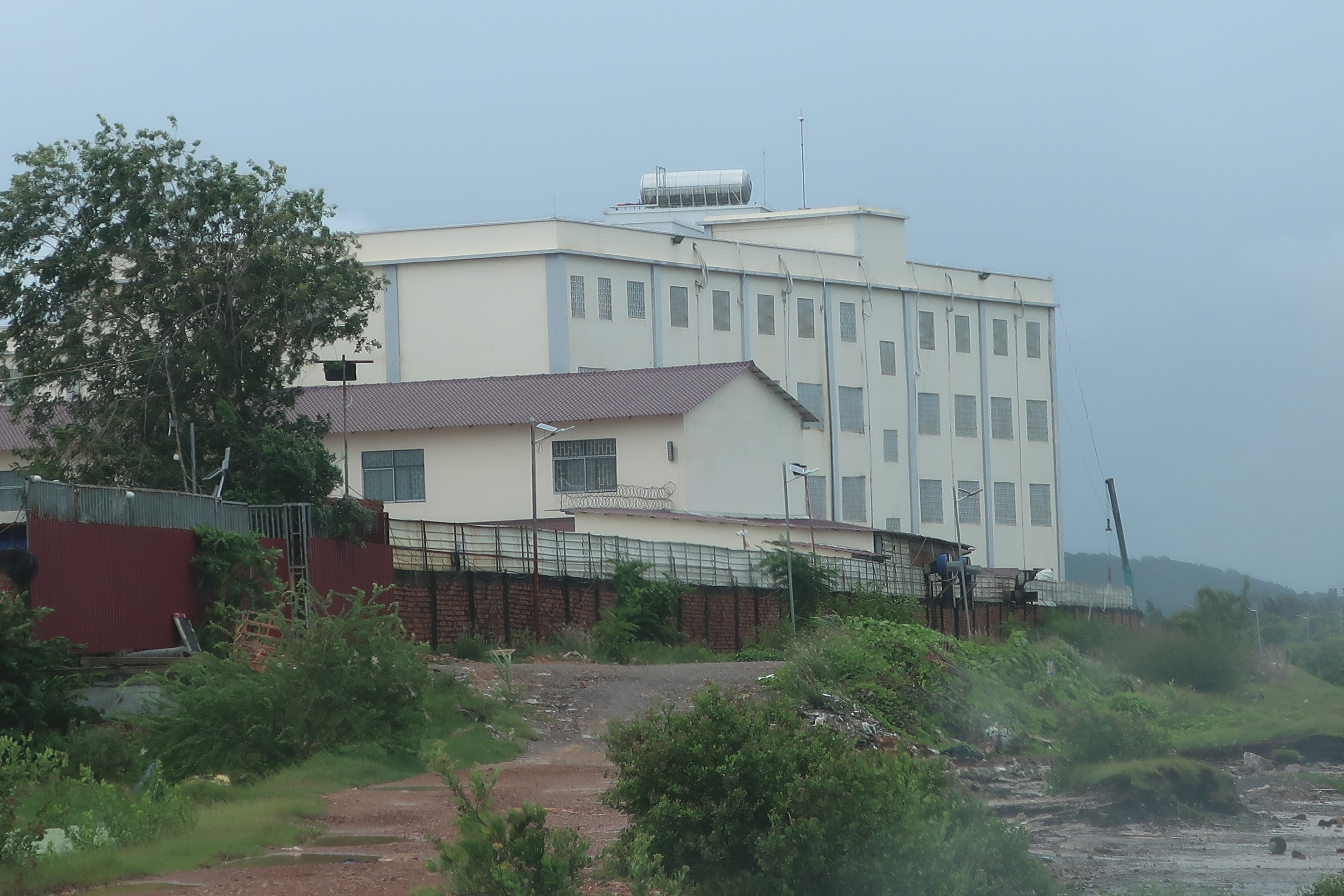
As of mid-2024, the KA02 facility was guarded by security personnel. A site map provided by Amnesty shows a sprawling compound of around two dozen buildings.
On January 15, Cambodian law enforcement arrested Ly Kuong, who allegedly owned and operated My Casino, according to FBI Pittsburgh.
Prosecutors charged Kuong with illegal recruitment for exploitation, aggravated fraud committed by an organized group, and money laundering, according to a release from Agence Kampuchea Presse, Cambodia’s official newswire.
FBI Pittsburgh said Kuong is, to their knowledge, the only person arrested by Cambodian law enforcement, and that the status of the charges is unclear.
Pittsburgh Media Partnership Newsroom could not locate Kuong’s attorney for comment.
Ferrer referred to shutting down scam centers as “whack-a-mole.” “I think the puzzle is here to stay for a while,” she said. “There's just too much. It's too lucrative.”
Losses filed with the IC3 reached nearly $21 billion last year, a 26% increase from 2024, according to the IC3 report.
The FBI works to return assets through initiatives including the Financial Fraud Kill Chain, led by the Recovery Asset Team.
In 2025, the Financial Fraud Kill Chain froze $171,970,560 in international transactions.
Scams of all kinds are underreported, said Teresa Osborne, director of state advocacy for the Pennsylvania State Office of AARP, formerly known as the American Association of Retired Persons. “When someone is frauded, especially an older adult, they're ashamed, they're embarrassed,” she said.
“Older adults in my own family say, ‘Well, Teresa, I was afraid to tell you that I was contacted to deposit money into this cryptocurrency machine, because then you’ll want to take my money away. You’ll want to control it," she said. “That loss of independence is significant.”
The investigation into My Casino remains ongoing, Arick said.
Hannah Frances Johansson is a reporter for the Pittsburgh Media Partnership newsroom. She holds a master's degree from the UC Berkeley Graduate School of Journalism. Reach her at hannah.johansson@pointpark.edu.
The PMP Newsroom is a regional news service that focuses on government and enterprise reporting in southwestern Pennsylvania. Find out more information on foundation and corporate funders here.
Header image: My Casino compound. Photo taken mid-2025 by Amnesty International.