
localized date
Current Time

.png)
.png)
Southwestern Pennsylvania’s next big debates over housing, infrastructure, and growth may be shaped by a document most residents will never read: the county comprehensive plan. But before new plans are finalized, residents will have a say.
Allegheny, Butler, and Indiana counties are working on new long-range plans that will help guide local leaders’ decisions about development, transportation, housing, and public investment over the next decade.
“I would say that it’s like a physical for the county. You get the blood pressure, the height, the weight, and if anything is bothering you,” said Nate Werner, assistant director of planning and project manager for Butler County. “It’s also a maintenance plan, like going to the gym and working on your cardio.”
Allegheny and Indiana county officials expect implementation to begin in 2027, while Butler is targeting 2028.
Comprehensive plans do not carry the legal force of ordinances. But county planners say they still matter because they help set priorities, guide future decisions, and can strengthen applications for grants.
Act 247 of 1968 requires all counties in Pennsylvania to update their comprehensive plans at least every 10 years. Plans should include land use, present and anticipated housing needs, the movement of people and goods, community facilities and utilities, and more.
Planners in Allegheny County began to solicit public input late last year, Alan Sisco said. Sisco is deputy director of programs and strategy for Allegheny County Economic Development. The last time Allegheny County approved a plan was in 2008.
Planners show up at community events to ask the public where the county is thriving, where it is facing challenges, and why. Participants also rank what issues matter most to them. The goal is to get people from all 130 municipalities to contribute to the plan, Sisco said.
At this point, they have spoken to “hundreds and hundreds” of people, he said. “I don’t know if we’ve crossed 1,000 yet.”
So far, several themes have emerged from public engagements, including concerns about aging infrastructure and flood-prone areas, a lack of quality, attainable housing, and a desire for stronger workforce development.
The county also created an online ideas dashboard that asks, “If Allegheny County could work on only one idea that would make the county a better place to live, work, or invest in, what would it be?” Responses are posted publicly.
One person wrote they would like Boyce Park, which offers skiing and snowboarding, to become a regional destination. Another warned about “potentially crumbling bridges.” At least two people expressed interest in more affordable housing.
Sisco expects that public engagement will help the county prioritize issues in their plan.
“Having that organizing document helps us decide between competing resources,” he said.
A plan’s utility depends on the way it is written, said Josh Krug, deputy director of planning at the Indiana County Office of Planning and Development. County officials last adopted a comprehensive plan in 2012.
This year, Krug and a team have started to work on a new one.
In the years since Indiana county’s last plan, standards have changed. It’s no longer in style to write tomes that are 400-plus pages, Krug said, now that data is accessible online. The last county plan was more than 500 pages.
“Rather than needing to do one chapter for housing, one chapter for transportation, one chapter for agriculture... it’ll be more of an issues-based plan that is more concise, that has measurable success factors,” he said.
Indiana County planners have not begun to collect public input, Krug said. In the next few weeks, they will apply for a grant from the state Department of Community and Economic Development to cover part of the project’s estimated $170,000 budget, he added. He expects the plan to be approved around June 2027.
The goal is to produce something with a streamlined and simplified strategy to implement the plan.
But it’s not just Indiana County leaders who are looking to make changes. Butler County’s last comprehensive plan went into effect in 2017.
Werner said he has several ideas about how to improve the plan.
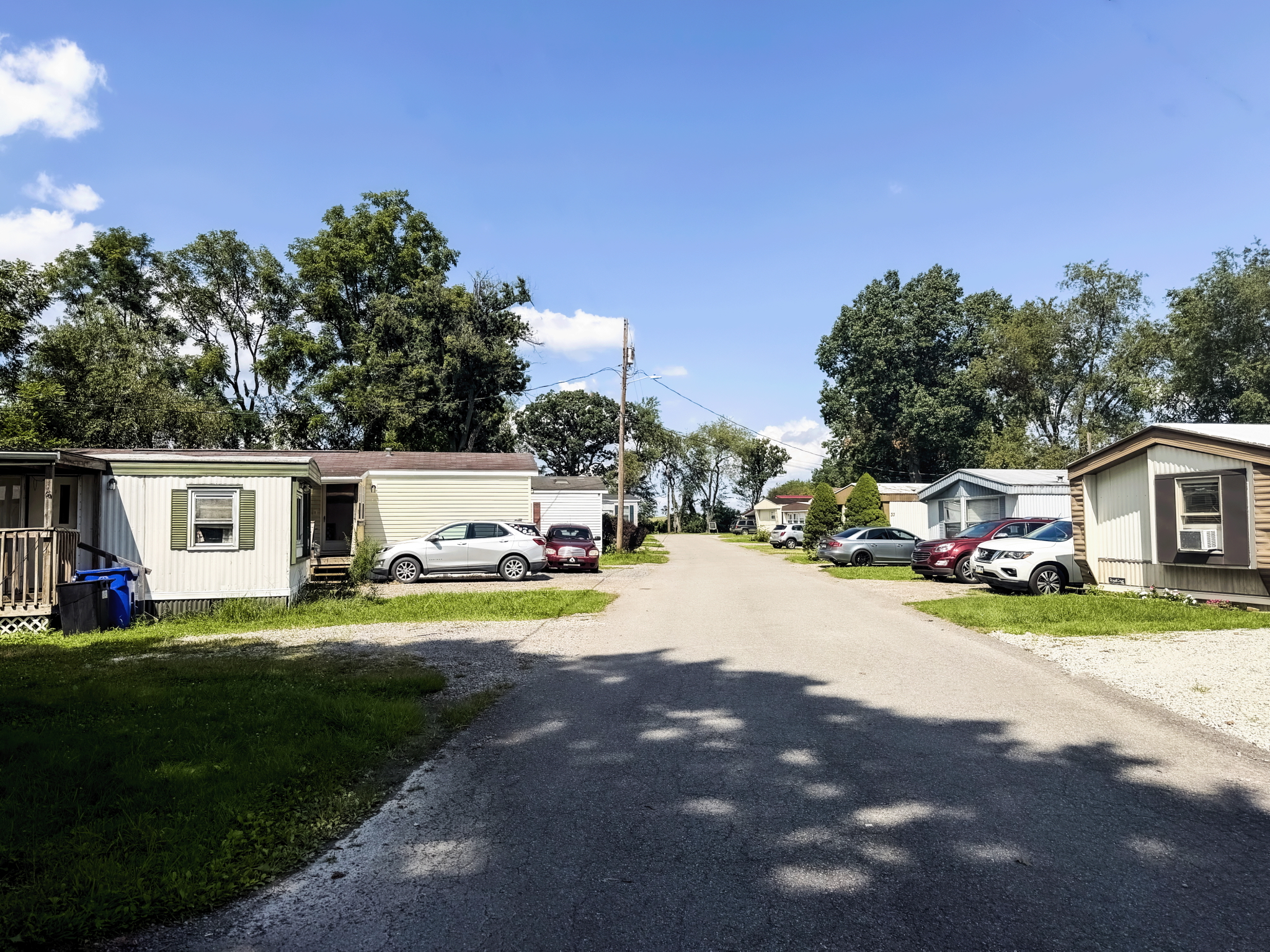
“The one thing I think we're going to need to address is housing,” he said. “How is a young person supposed to get into a house if they don’t have a killer job and probably two salaries to do it with? It’s really difficult.”
A comprehensive plan for housing could, he said, consider different age groups, and stages of life — from young to retired.
The county grew 2.9 percent from April 2020 to July 2024, according to the U.S. Census Bureau.
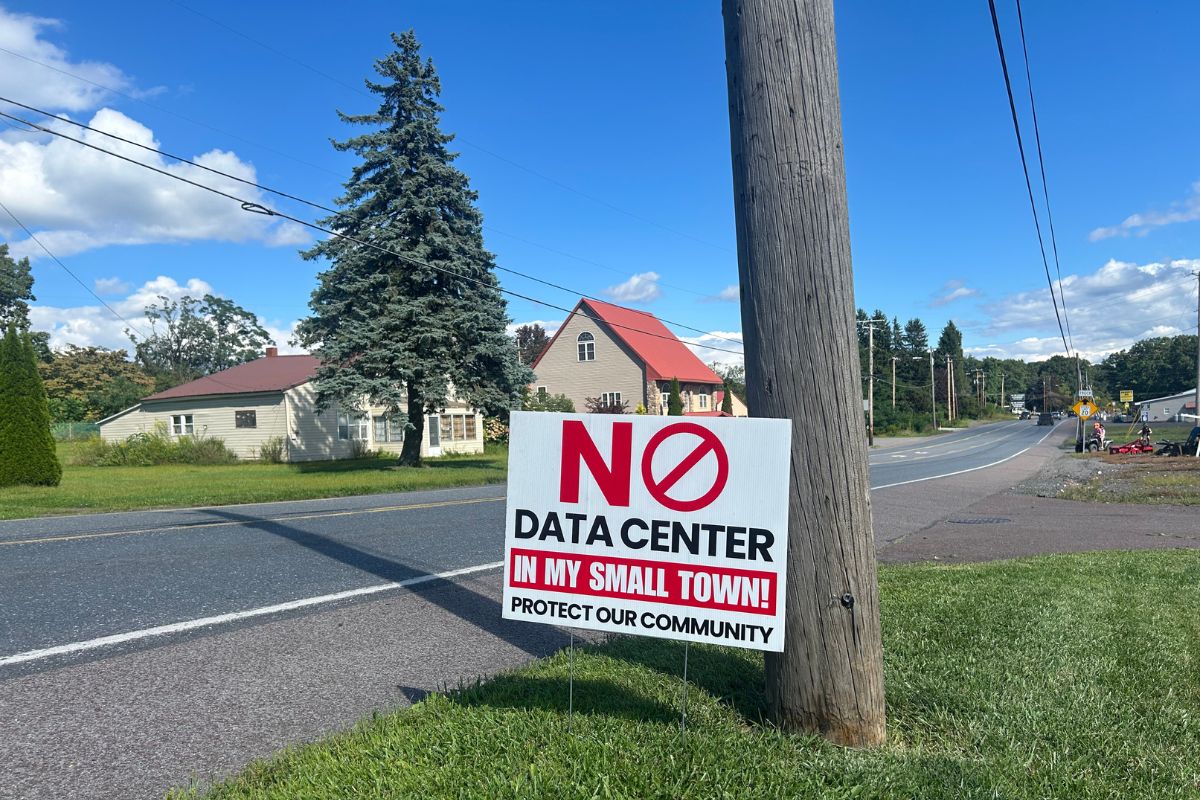
Werner also anticipates that the next comprehensive plan will address the question of where to put data centers, which could help county officials steer development.
“Obviously it's going to be an ongoing dialogue, a lot of push, pull back and forth, and I'm sure that there's going to be ideas that spawn new ideas. Questions will raise more questions,” he said.
Like Indiana County, Butler has started to solicit public input. Right now, the county is pursuing a grant to fund the plan, Werner said.
He expects the plan to be completed by the end of 2028.
Hannah Frances Johansson is a reporter for the Pittsburgh Media Partnership newsroom. She holds a master's degree from the UC Berkeley Graduate School of Journalism. Reach her at hannah.johansson@pointpark.edu.
The PMP Newsroom is a regional news service that focuses on government and enterprise reporting in southwestern Pennsylvania. Find out more information on foundation and corporate funders here.
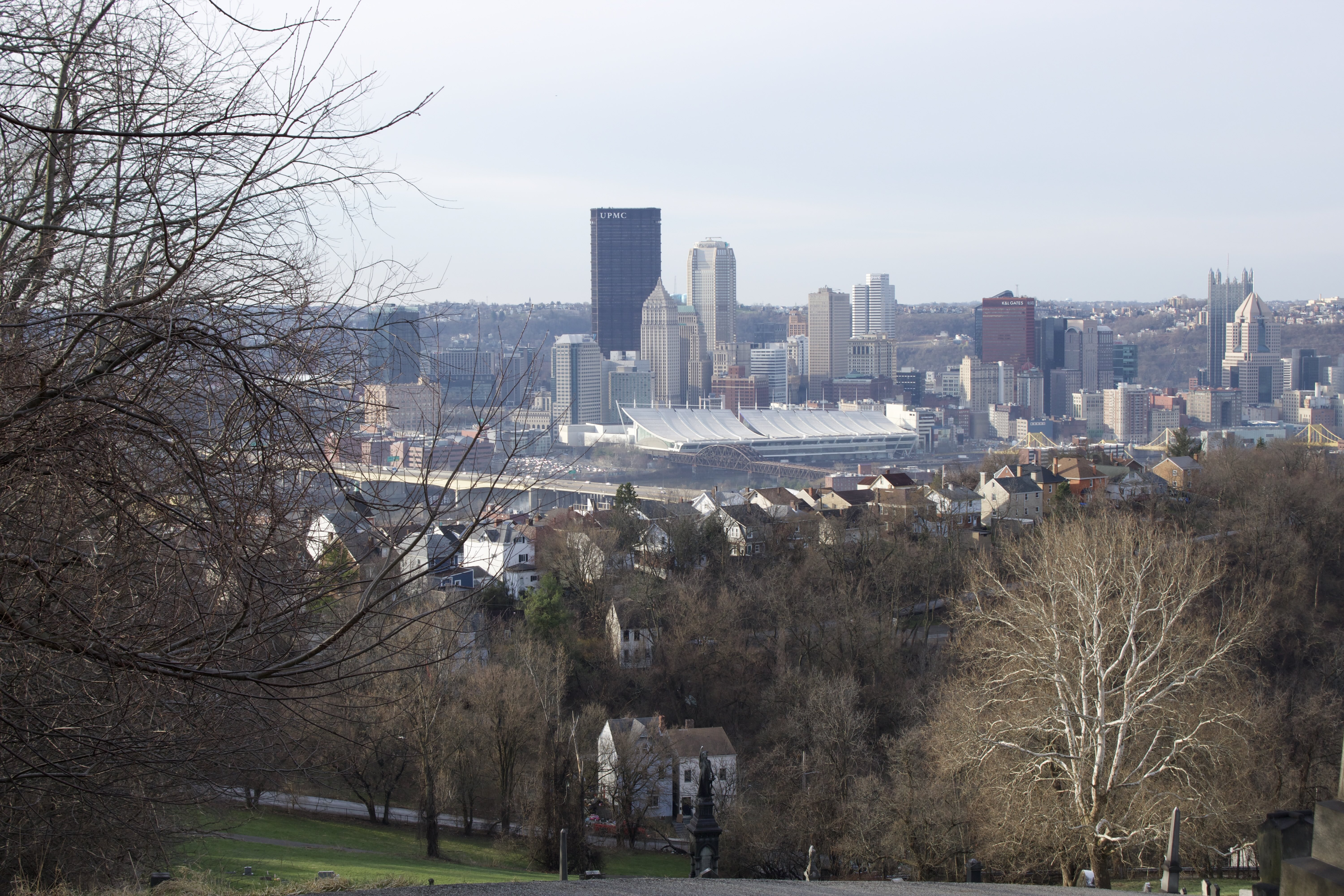
Header image: Homes and highway 279 as viewed from a cemetery in Pittsburgh’s Spring Hill neighborhood on March 20, 2026. Allegheny and nearby counties are updating long-range plans that will help shape approaches to housing, infrastructure, and development for the next several years. Photo by Hannah Frances Johansson / PMP Newsroom.