

localized date
Current Time

.png)
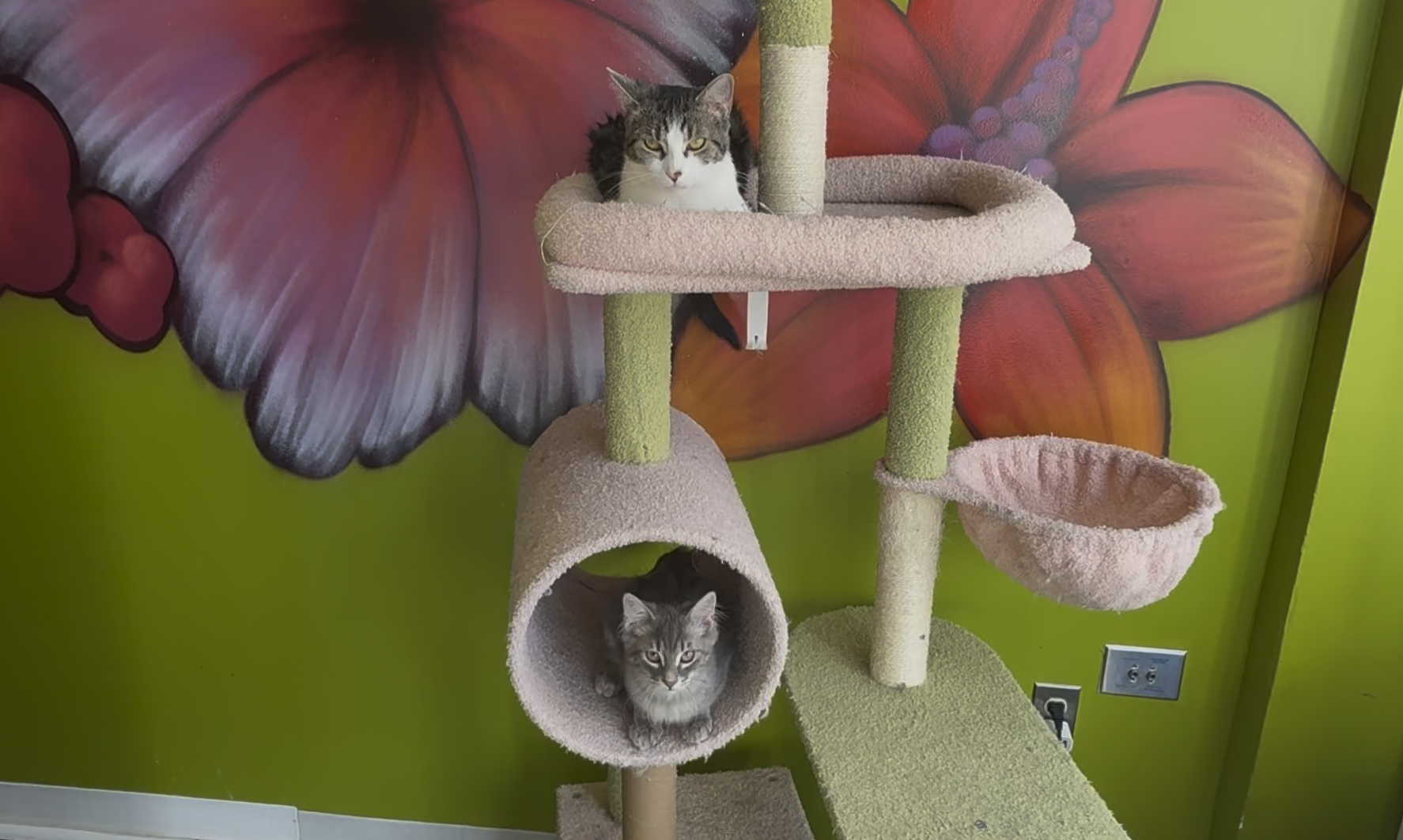
On a quiet dead-end in Brighton Heights, one resident trapped 29 cats in four months — part of a surge that local rescuers say overwhelmed shelters and small nonprofits across the city.
Now, as the city relaunches its voucher program, the question is whether it can catch up before the next breeding cycle begins.
Cat trapper and Brighton Heights resident Gabrielle Sikora started trapping cats in August. What began as a neighbor talking about a few stray cats along the dead-end street quickly turned into a TNR (Trap, Neuter, and Release) operation.
Sikora has trapped 29 cats on Mount Hope Road and a total of 44 in Brighton Heights; 19 of these have been adopted. The remaining cats stay at her house and other foster homes.
“It's been amazing. So many kitties off the streets,” Sikora said.
Sikora fundraised on Facebook and through conversations with neighbors to cover the costs of trapping and spaying and neutering the cats. She initially used Fix’n Wag’n, a mobile animal clinic based in Allison Park, for the procedures before later learning about the City of Pittsburgh’s free spay and neuter program, which had been shut down for about 18 months.
“I did register to become a trapper; that was very exciting. I now have the 30 free spays and neuters to use,” Sikora said. “I have my first appointments [through the program] soon.”
City officials launched the restructured spay and neuter voucher program in September. The program now offers two online applications — one for pet cats and dogs and a separate one for “community cats” (also known as feral or stray cats).
Residents may apply for two pets in a calendar year and are not to exceed five vouchers over five years. Those wishing to participate in the community cat program must live in the city and register as a trapper through the online application.
Trappers must certify that the cats are trapped within city limits and will be re-released in the same area or into another cat colony within the city. They may apply for up to 30 vouchers per year, with additional slots approved on a case-by-case basis.
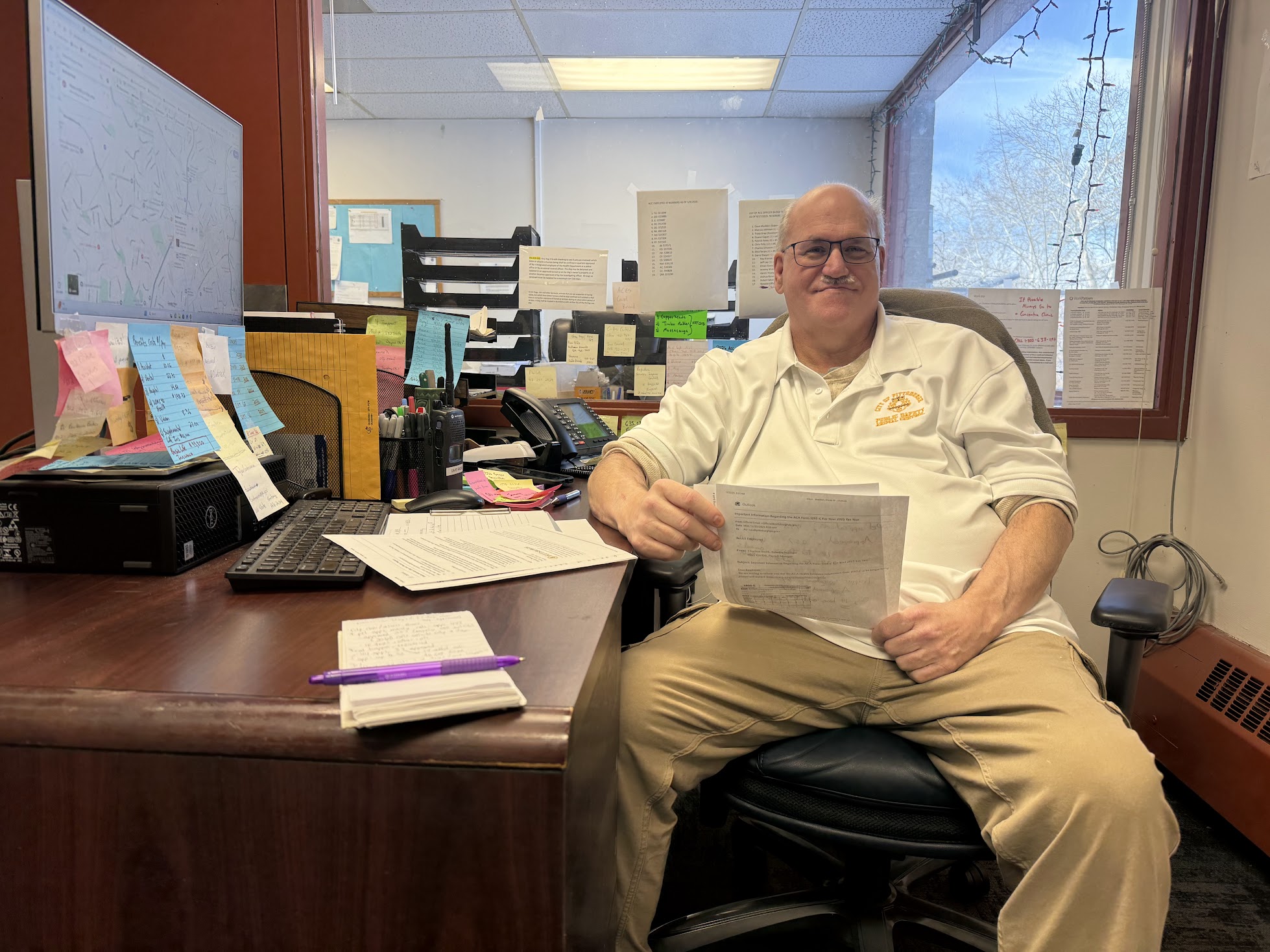
Pittsburgh Animal Care and Control Supervisor Dave Madden said since the relaunch of the program, 37 residents have been approved to be trappers out of 44 applicants. From September to December of last year, 84 cats and four dogs were spayed or neutered through the program.
“This time [frame] was the end of kitten season, so give it another month to see an increase, especially with the type of winter we’ve been having,” Madden said. “But also, part of that is the veterinarian shortage. It’s a rough industry, and there’s lots of overturn.”
The city’s largest animal shelter, Humane Animal Rescue of Pittsburgh, has been seeking two veterinarians since December, as well as an animal care technician and veterinarian technician.
Madden said another factor contributing to lower spay and neuter numbers is that Animal Friends, a shelter in Ohio Township, is no longer a contracted vendor for the surgeries.
“We’re hopeful Animal Friends will participate again,” Madden said. “It’s a partnership. It’s all for the betterment of the [Pittsburgh] communities.”
Another trapper, Anna Montano, said she is hesitant to register with the city’s program following its extended pause. She mainly traps cats on the North Side and moves them to her cat cafe in Bellevue.
“We had 92 adoptions alone last year...most [cats] were from within the City of Pittsburgh,” Montano said. “This summer was very, very rough. I try to keep my numbers in the 20s in the lounge, and there was a time where I think I had 36 cats.”
Montano said the cats she traps and takes in vary in age. Lately, most have been just a couple of months old.
“It’s virtually impossible to get all those cats under control now because [the spay and neuter voucher program] was down for a year,” Montano said. “All the small rescues have been just busting at the seams like emotionally drained, financially drained, physically drained.”
Spay and neuter surgeries are handled through the Humane Animal Rescue of Pittsburgh, which is under contract with the city to provide services for the program. Under the current agreement, the city pays the organization $70,000 annually through 2027. A spay or neuter procedure for a cat at the facility costs about $150 out of pocket, and animals must meet certain vaccination requirements before surgery.
In 2023, 974 dogs and cats were spayed or neutered through the program, according to an annual report from the city. That number dropped to about 100 in 2024, Humane Animal Rescue of Pittsburgh Executive Director Dan Cody said.
The drop in spays and neuters followed the program’s pause in February 2024. It restarted a month later with services temporarily limited to feral cats.
City officials paused the program after determining that pet owners outside the city were applying for vouchers, former Public Safety Director Lee Schmidt said. The new applications now require two recent bills or other official documents showing the applicant’s name, city residential address, and date.
“We had a strong end to the year and plenty of great adoptions. Cats continue to fly out of the shelter, which is great,” Cody said. “We’ve been talking to other shelters about bringing some cats to us.”
As of March 3, five cats were available for adoption through HARP, which is typical for this time of year, according to Cody. But in the summer, the shelter typically reaches about 90% capacity for cats; this past summer, it was closer to 70%.
“Especially when you have a cold winter like this, there’s not any new kittens coming,” Cody said.
As far as scheduling spay and neuter surgeries at the shelter, Cody said he has not heard of any significant backups.
“How do we play the best role as an organization in the [Pittsburgh] community, and how do we how do we help the community cat population, how do we keep it manageable?” Cody said. “It’s always our goal to keep the shelters from being overfull and give animals the best care possible.”
More information on the city’s spay and neuter voucher program requirements is available on the city’s website, and additional questions can be emailed to spayneuter@pittsburghpa.gov.
Erin Yudt is a reporter with the Pittsburgh Media Partnership Newsroom, part of the Center for Media Innovation at Point Park University. She most recently was a multimedia content producer and digital reporter at WKBN in Youngstown and is a graduate of Point Park University. Reach her at erin.yudt@pointpark.edu.
The PMP Newsroom is a regional news service that focuses on government and enterprise reporting in southwestern Pennsylvania. Find out more information on foundation and corporate funders here.
Header image: Two former stray cats lay in a cat tower at Whisker Wonderland in Bellevue in early February 2026. Owners say they are still feeling the effects of the city of Pittsburgh’s pause of the spay and neuter voucher program last year. It was restarted in September. Photo by Erin Yudt / PMP Newsroom.




.png)
.png)